
 28 Oct, 2025
Hair loss is more than a cosmetic issue—it's a loss of identity. But here's what most people don't realize: modern hair transplant procedures have evolved into a sophisticated blend of art, precision, and medical excellence that can completely restore not just your hair, but your confidence.
The difference between a good hair transplant result and an exceptional one comes down to three critical factors: the surgeon's expertise, the technique chosen, and the technology employed. In India, where hair restoration has become increasingly affordable and world-class, finding the right combination of these elements is what separates natural, permanent results from disappointing outcomes that require costly revisions.
For years, the hair transplant industry presented two distinct paths: FUE (Follicular Unit Extraction) or FUT (Follicular Unit Transplantation). Both work, but savvy patients and leading surgeons now understand that the real breakthrough lies in combining these methods strategically.
Why Combination Hair Transplant Techniques Matter
At the forefront of this evolution are clinics that recognize each technique has distinct advantages. FUE's strength lies in minimally invasive extraction with no linear scarring, making it perfect for patients who wear their hair short or prefer maximum discretion during recovery. FUT, conversely, excels when extensive coverage is needed—it allows surgeons to extract more grafts efficiently from the donor area while maintaining donor density for future procedures.
The game-changer? Integration. Leading hair transplant surgeons in India now combine both FUE and FUT within a single surgical session, achieving what was previously impossible: transplanting 4,000 to 5,000+ grafts with exceptional graft survival rates (often exceeding 90%) while preserving donor area integrity.
This advanced approach is particularly transformative for patients with advanced baldness, those seeking substantial density improvements, or individuals requiring revision hair transplant procedures after unsuccessful attempts elsewhere.
Technique selection is only part of the equation. The execution—the precision, the artistic vision, the understanding of how hair naturally grows—is where exceptional surgeons distinguish themselves.
Consider the DHR+ Sapphire method, an innovative advancement in hair transplant procedures that uses sapphire-tipped implantation tools. These precision instruments create micro-channels with minimal trauma to the scalp, resulting in faster healing, reduced scarring, and superior graft survival rates. When performed by experienced surgeons who understand scalp biomechanics and aesthetic principles, this method delivers hairlines that look completely natural—not transplanted.
The reality is this: not all surgeons are equal. The best hair transplant surgeons in India possess a rare combination of qualifications. They hold board certification in plastic surgery, have undergone extensive training in hair restoration specifically, understand the physiological aspects of hair growth, and possess the artistic sensibility to design hairlines that suit individual facial features.
A surgeon with 23 years of experience and 12,000+ successful procedures brings something invaluable: pattern recognition. They've seen hundreds of variations of hair loss, hair types, and scalp conditions. They know which techniques will work best for your specific situation before even beginning surgery. They understand the nuances of density placement that create natural-looking results. That expertise cannot be rushed or replicated by less experienced practitioners.
Modern hair restoration extends far beyond traditional male pattern baldness correction. Leading clinics now offer specialized procedures for diverse aesthetic goals.
Beard and Facial Hair Transplant: Men seeking fuller, denser beards can now achieve authentic results through facial hair transplant procedures. The approach requires meticulous attention to natural growth direction and density progression—qualities that define expert surgical craftsmanship. Costs typically range from ₹40,000 to ₹1,50,000 depending on coverage area and density goals.
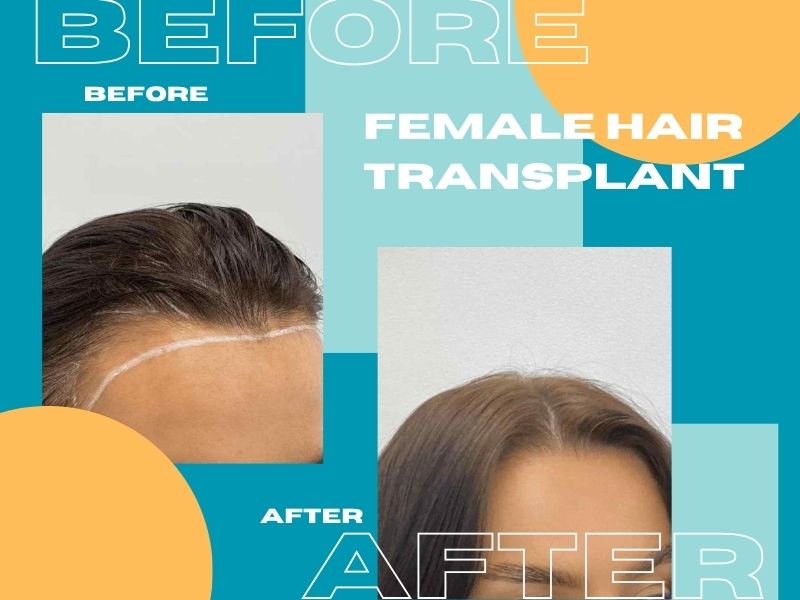
Female Hair Transplant: Women experience hair loss differently and require a specialized approach that considers hairline softness, volume enhancement, and natural hair flow. Advanced magnification tools and micro-implantation techniques ensure every graft placement complements existing hair seamlessly. Female hair restoration demands both technical precision and aesthetic understanding of feminine hairlines.
Eyebrow Transplant: Precise, artistically designed eyebrows enhance facial proportion dramatically. Using individual follicle implantation with fine, angle-controlled incisions, expert surgeons create natural-looking arches and density that complement facial structure. Eyebrow transplants (₹25,000 to ₹50,000) represent a subtle but transformative aesthetic investment.
Revision Hair Transplant: Many patients arrive at leading clinics like Enhanced Med Clinics seeking correction of previous unsuccessful procedures. Whether dealing with unnatural hairlines, sparse density, visible scarring, or poor graft survival, revision work demands exceptional expertise. Correcting another surgeon's work requires not just technical skill but the ability to assess damage, reconstruct affected areas, and deliver results that look intentional and natural.
The best hair transplant clinics in India invest substantially in state-of-the-art technology because results depend on it. Climate-controlled operation theatres prevent complications. High-resolution graft microscopes allow surgeons to examine every follicle before implantation, ensuring maximum survival rates. Automated extraction systems reduce manual fatigue and increase precision. Advanced magnification tools enable the meticulous placement that separates good results from exceptional ones.
These aren't luxury additions—they're foundational to achieving graft survival rates exceeding 90% and natural aesthetic outcomes that justify the investment.
India has rightfully earned its position as the world's premier destination for affordable, high-quality hair restoration. Hair transplant cost in India ranges from ₹50,000 for smaller procedures to ₹2,50,000 for comprehensive, large-scale restoration—representing 60-70% savings compared to USA, UK, or Turkey procedures, without compromising quality.
But here's the crucial distinction: affordable doesn't mean cheap. Premium clinics maintain their high standards through experienced surgeons, advanced technology, rigorous safety protocols, and comprehensive care packages. When you choose the best hair transplant clinic in India, your investment typically includes:
This comprehensive approach ensures you're not just getting surgery—you're investing in a complete hair restoration journey with professional guidance at every stage.
Leading hair transplant clinics in India now operate across multiple cities—Delhi, Mumbai, Bangalore, Hyderabad, Chennai, Kolkata, Pune—maintaining unified standards of excellence. This geographic presence means you can access world-class hair restoration expertise regardless of your location, with the convenience of local facilities and continued follow-up care.
Teleconsultation capabilities further democratize access to expert surgeons, allowing you to discuss your case with specialists before committing to travel or procedures.
One reality that catches many patients off guard: transplanted hair requires time to establish and grow. Most transplanted hairs shed within the first month—a completely normal part of the process as the hair bulb remains intact beneath the skin. Noticeable regrowth typically appears around the three-month mark, with progressive improvement through six months. Mature, complete results emerge between 12-18 months as transplanted hair reaches its natural thickness and fullness.
This timeline demands patience, but understanding it from the beginning transforms it from a source of anxiety into an expected progression. And when you finally look in the mirror after 12-18 months and see the full transformation? That patience becomes entirely worthwhile.
Even the most expertly performed surgery cannot deliver optimal results without meticulous aftercare. This is non-negotiable. Your surgical team will provide detailed instructions covering gentle washing protocols, scalp protection, prescribed medications for healing and growth, and activity restrictions during the critical early healing phase.
The most common post-operative restrictions—avoiding smoking, alcohol, and strenuous activities—aren't arbitrary inconveniences. They reflect biological realities: smoking impairs healing and vascular function, alcohol increases bleeding risk, and physical stress can dislodge newly implanted grafts. Patients who religiously follow post-operative protocols consistently achieve superior results. Those who don't often experience disappointing outcomes.
Hair transplantation works beautifully as a standalone solution, but results can be further optimized through complementary approaches. Platelet-Rich Plasma (PRP) therapy—using concentrated platelets from your own blood to stimulate follicles—has shown remarkable effectiveness when combined with transplantation or used independently for thinning hair.
Beyond medical treatments, the fundamentals matter: nutrient-rich diet, stress management, quality sleep, and surgeon-recommended hair care products all contribute to maintaining transplanted hair health and vibrancy throughout your life.
Consider this: a surgeon performing hair transplants for just a few years versus one with 23 years of experience and 12,000+ successful procedures brings fundamentally different capabilities to your case.
Experience teaches pattern recognition—the ability to anticipate complications before they occur. It develops the artistic sensibility to design hairlines that complement your unique facial structure, age, and ethnicity. It builds the technical precision that translates into graft survival rates exceeding 90% consistently. Most importantly, it creates confidence—the assurance that your surgeon has encountered and successfully managed scenarios similar to yours.
When you're entrusting someone with restoring one of your most visible features, that experience matters profoundly.
Achieving thick hair with a naturally blended hairline isn't about luck or genetics alone anymore. It's about making informed decisions, selecting a surgeon and clinic that combine proven expertise with advanced technology, and committing to the complete process—surgery, aftercare, and patience.
If you're considering hair restoration in India, invest time in genuine research. Seek out surgeons with board certification, extensive experience, and verifiable track records. Understand the techniques available and ask detailed questions about why each technique is being recommended for your specific situation. Evaluate facility standards and technology. Most importantly, ensure you're working with a surgical team that prioritizes your individual needs and aesthetic goals.
The hair transplant results you see from leading clinics like Enhanced Med Clinics—where board-certified surgeons combine 23 years of experience with cutting-edge techniques like DHR+ Sapphire methods and combination FUE/FUT approaches—represent the pinnacle of what modern hair restoration can achieve.
This isn't just about restoring hair. It's about reclaiming your identity, your confidence, and your sense of self. And when you choose the right surgeon and clinic, that transformation becomes not just possible—it becomes inevitable.
Take the first step toward your hair restoration journey today with India's most trusted experts in advanced hair transplant procedures. Your future self—with a fuller, naturally restored hairline—will thank you.
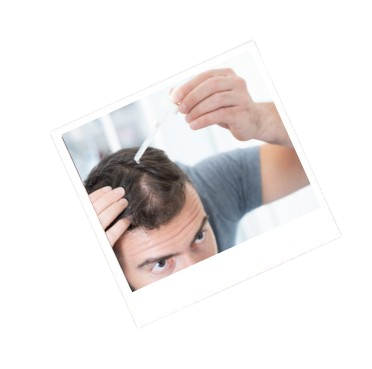
If you’re ready to achieve incredible, natural hair growth, don’t wait! Join the thousands of satisfied patients who have trusted Enhanced Med Clinics for their hair transplant in India. Book your consultation today to begin your journey towards a more confident you.
Book An Appointment