
 17 Feb, 2026
Walk through any pharmacy aisle and you will find biotin sitting front and centre, packaged in cheerful bottles with photographs of lustrous, cascading hair. It is one of the most purchased hair supplements in the world. But here is the question that rarely gets a straight answer: does it genuinely work — and if so, for whom, and under what circumstances?
At Enhanced Med Clinics, our approach to hair health is rooted in clinical honesty. We do not sell supplements. What we do is help people understand what their hair actually needs. And biotin, when understood properly, is a genuinely powerful tool — not a miracle, but a meaningful one.
What Biotin Actually Is — And Why Hair Needs It
Biotin is Vitamin B7, a water-soluble member of the B-vitamin family that sits at the centre of your body's energy metabolism. Your body uses it to convert proteins, fats, and carbohydrates into usable fuel — and that metabolic process has a direct line to your hair follicles.
Here is why that connection matters: hair is made almost entirely of keratin, a fibrous structural protein. Keratin production depends on amino acids. And the enzymatic processes that regulate amino acid metabolism require biotin as a co-factor. In simple terms, without adequate biotin, your body's ability to build and maintain keratin — the very substance your hair strand is composed of — becomes compromised.
The result of biotin insufficiency is not always dramatic. It rarely announces itself loudly. More often, it shows up quietly: strands that break more easily, a texture that feels thinner or drier than it once did, a scalp that seems to shed more than usual. These are the whispers of a nutrient gap that biotin can help close.
The Real Benefits of Biotin for Hair — What the Evidence Says
Strengthens the Hair Shaft from the Inside Out
When biotin levels are adequate, keratin infrastructure becomes more robust. Each individual hair strand is better fortified against the mechanical stress of everyday life — brushing, heat styling, environmental exposure. Patients who address a genuine biotin deficiency often report a noticeable reduction in breakage within eight to twelve weeks, not because biotin is working magic on the surface, but because it is supporting the foundational biology beneath it.
Supports the Anagen (Active Growth) Phase
Your hair spends most of its life in the anagen phase — the period of active growth that determines how long your hair can actually get. Biotin plays a supporting role in keeping follicles nutritionally primed during this phase. A well-nourished follicle tends to sustain anagen longer, which over time contributes to increased hair density and length retention.
Reduces Hair Thinning Linked to Nutrient Deficiency
Clinical studies focusing on women with thinning hair and documented biotin deficiency have shown measurable improvements in hair volume and coverage after consistent biotin supplementation. The key phrase here is documented deficiency. Biotin works most demonstrably when there is a genuine gap to fill. This is why our team at Enhanced Med Clinics always recommends a nutritional assessment before beginning any supplement protocol — because taking more of something your body already has enough of produces far less benefit than correcting an actual shortfall.
May Improve Scalp Environment for Better Follicle Function
Biotin also contributes to the health of the scalp itself. A scalp with healthy skin cell turnover, good circulation, and balanced sebum production provides a more fertile environment for hair growth. While biotin is not a direct treatment for scalp conditions, its role in fatty acid synthesis supports the barrier function of scalp skin — which indirectly creates conditions more conducive to healthy follicle activity.
|
|
Who Benefits Most from Biotin Supplementation?
Biotin supplementation tends to deliver the clearest results in people whose diets are low in B-vitamins — this includes those following restrictive eating patterns, individuals who have undergone bariatric surgery, pregnant women whose nutritional demands shift significantly, and people with certain digestive conditions that impair nutrient absorption.
Stress is another underappreciated driver of biotin depletion. Chronic stress accelerates the breakdown of B-vitamins in the body, which means someone experiencing prolonged emotional or physical pressure may develop a functional deficiency even while eating a reasonably balanced diet. In these cases, targeted biotin supplementation can make a visible and meaningful difference within a few months.
Dosage, Food Sources, and What to Know Before You Start
The recommended daily intake for biotin in adults sits around 30 micrograms, though supplement doses commonly range from 1,000 to 10,000 micrograms. Since biotin is water-soluble, your body excretes what it does not use — but very high doses can interfere with certain laboratory blood tests, including thyroid panels and cardiac markers. Always inform your doctor if you are taking high-dose biotin before any blood work.
Food-first approaches also work well for mild deficiency. Eggs — particularly the yolk — are one of the richest natural biotin sources available. Nuts, seeds, salmon, sweet potato, and legumes all carry meaningful amounts. A diet that consistently includes these foods provides a solid biotin foundation that supplements can then build upon.
|
|
Frequently Asked Questions About Biotin and Hair
These are the questions our patients ask us most often — answered directly and without the fluff.
Q: How long does biotin take to show results in hair?
A: Biotin does not produce overnight changes. Hair growth is a slow biological process, and the effects of any nutritional intervention take time to reflect in the hair shaft. Most people who respond well to biotin supplementation begin noticing a difference in hair texture and reduced breakage around the eight to twelve week mark. Visible density improvements, if they occur, typically become apparent after three to six months of consistent use. Patience is not optional here — it is part of the process.
Q: Can I take biotin even if I am not deficient?
A: You can, and many people do. Since biotin is water-soluble, excess amounts are passed out of the body through urine rather than accumulating to toxic levels. That said, there is limited evidence that supplementation produces significant hair benefits in people who already have sufficient biotin levels. If your diet is varied and balanced, the incremental gain from supplementation may be modest. The more meaningful question is: what is actually causing your hair concern? That answer determines the most effective next step.
Q: Is biotin alone enough to stop hair loss?
A: In most cases, no — and we think it is important to be honest about this. Biotin addresses one specific nutritional pathway. Hair loss frequently has multiple contributing factors: hormonal shifts, genetic predisposition, scalp inflammation, iron or ferritin deficiency, thyroid dysfunction, or physical stress on the follicle. Biotin can be a valuable part of a broader hair health strategy, but relying on it as a sole intervention for significant shedding or thinning often leads to disappointment. A proper clinical assessment gives you a far clearer picture of what is driving the issue.
Q: Does biotin work differently for men and women?
A: The underlying biochemistry is essentially the same — biotin supports keratin production in both male and female hair follicles. However, the causes of hair loss differ quite significantly between sexes, which means the relative impact of biotin supplementation can vary. Women experiencing post-pregnancy shedding or diet-related thinning often see strong results. Men dealing with androgenetic alopecia — the hormonal, genetically driven form of male pattern baldness — typically find that biotin provides minimal improvement on its own, since their hair loss is driven by DHT rather than nutritional deficiency.
Q: Are there any side effects from taking biotin?
A: For the vast majority of people, biotin is well-tolerated with no adverse effects. A small number of individuals report mild acne breakouts when taking very high doses, potentially related to biotin's interaction with sebaceous gland activity. The more clinically significant concern is the potential for high-dose biotin to skew the results of certain blood tests — particularly thyroid function tests and troponin assays used in cardiac evaluation. If you are scheduled for blood work, pause biotin supplementation for at least 48 hours beforehand and notify your doctor that you have been taking it.
Q: What foods are highest in biotin for hair health?
A: Whole cooked eggs are consistently at the top of the list — egg yolks are especially rich in biotin. Beyond eggs, almonds, walnuts, and sunflower seeds carry strong amounts. Salmon and sardines provide both biotin and omega-3 fatty acids, making them doubly beneficial for scalp and hair health. Sweet potatoes, spinach, and avocado round out a food-first approach. Building meals around these ingredients regularly is a practical, sustainable way to maintain healthy biotin levels without relying solely on supplements.
Q: At what point should I see a specialist instead of just taking biotin?
A: If you have been supplementing consistently for three months or more and have not seen any meaningful improvement, or if your hair loss is progressing despite supplementation, it is time for a clinical conversation. Similarly, if your shedding is sudden, patchy, or accompanied by other symptoms such as fatigue or changes in skin and nails, these may point to an underlying condition that biotin cannot address. At Enhanced Med Clinics, we offer comprehensive hair assessments that identify root causes rather than simply layering supplements onto an undiagnosed problem.
The Bottom Line
Biotin deserves its reputation — within the right context. For hair that is thinning due to nutritional gaps, the vitamin does precisely what biology suggests it should. It rebuilds keratin pathways, supports follicle resilience, and gives the scalp an environment better suited to healthy growth. What it cannot do is override genetics, correct hormonal imbalances, or replace a clinical evaluation when something more complex is at play.
If biotin is one piece of your hair health puzzle, it is a good piece. If you have been waiting months for that piece to fix the whole picture and it has not, Enhanced Med Clinics is here to help you find what will.
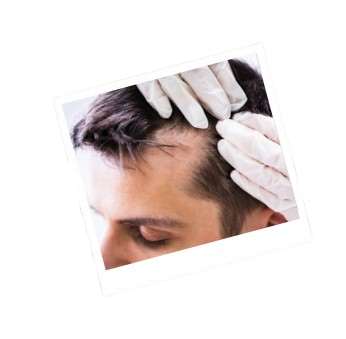
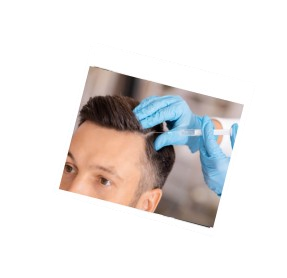
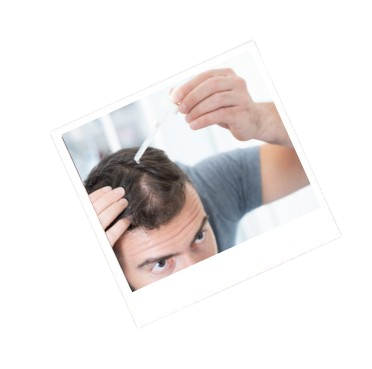
If you’re ready to achieve incredible, natural hair growth, don’t wait! Join the thousands of satisfied patients who have trusted Enhanced Med Clinics for their hair transplant in India. Book your consultation today to begin your journey towards a more confident you.
Book An Appointment